The End of the Line for Franchising: Can Great British Railways Fix Our Broken Tracks?

For decades, the British railway system has been a labyrinth of buck-passing and bureaucratic fog. Today’s confirmation of the transition to Great British Railways (GBR) marks the most significant structural pivot since the twilight of British Rail. The government is betting big that a single “guiding mind” can finally harmonise a network that has, for too long, felt like a collection of competing interests rather than a public service.
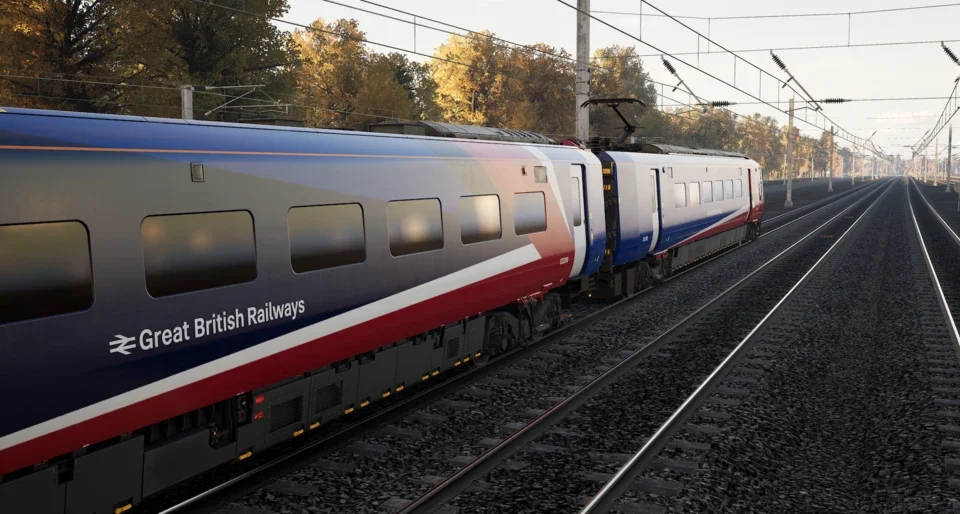
The mandate is clear: sweep away the fragmented franchising model that defined the post-privatisation era and replace it with a unified state body. But as the “Double Arrow” prepares for its official comeback, the question remains, is this a genuine revolution in rail, or merely a rebranding of systemic decline?
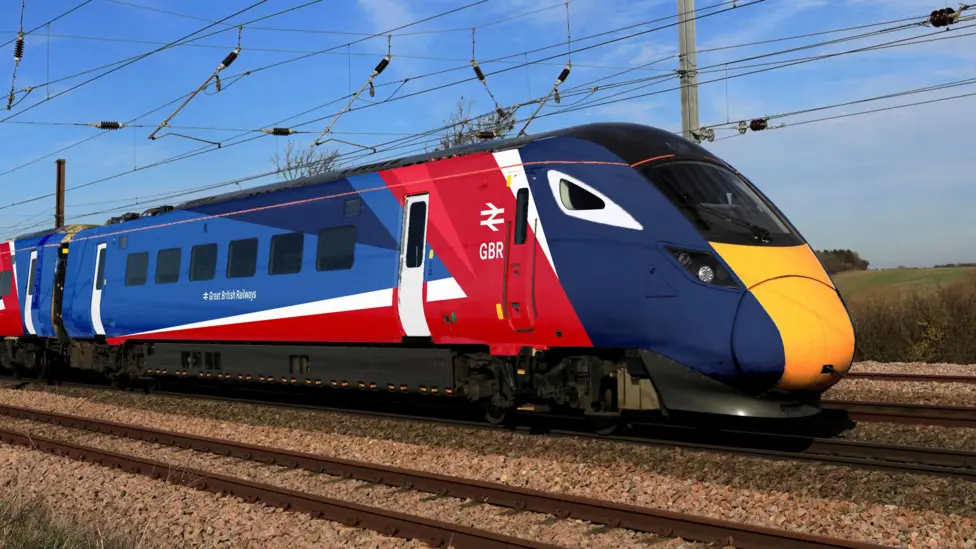
A Single Point of Accountability
Under the previous “split” system, the division between Network Rail (infrastructure) and private Train Operating Companies (service) created a culture of blame. When a signal failed or a crew was late, the ensuing finger-pointing between public and private sectors often left passengers stranded in the middle.
GBR aims to collapse these silos. By absorbing the functions of Network Rail and taking over the planning of timetables and fare structures, the new body will effectively act as the conductor of the national orchestra. Private companies will still run the trains, but they will do so under tightly managed Passenger Service Contracts, being paid to deliver punctuality rather than simply chasing ticket revenue.
The “London-Style” Ambition
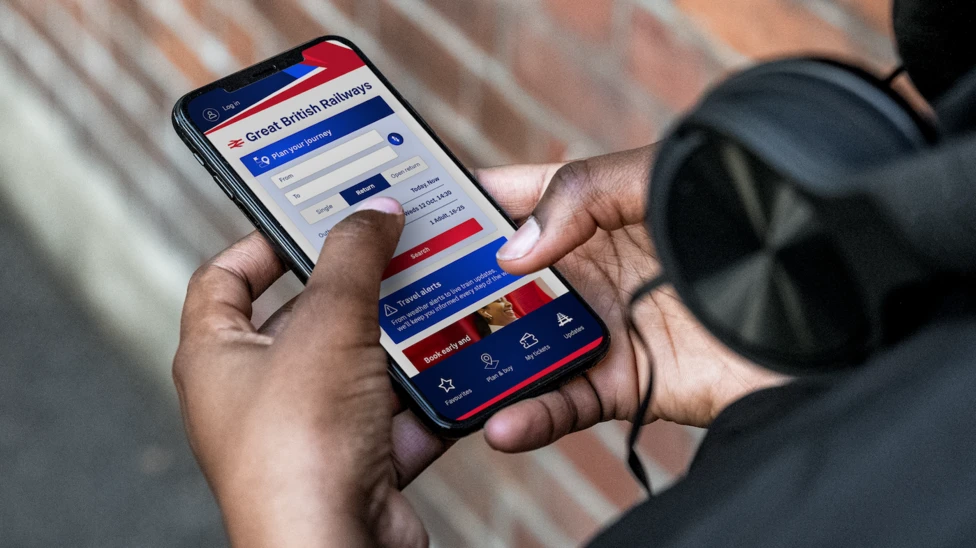
A core pillar of the announcement is the promise of fare simplification. Taking a leaf out of Transport for London’s book, GBR is tasked with rolling out:
Contactless “Tap-and-Go” travel at hundreds of stations nationwide.
Price capping to ensure the best value for flexible workers.
A single digital portal for all ticket sales, ending the “Wild West” of third-party booking fees and confusing split-ticketing loopholes.
The Fiscal Siding
However, the political tracks ahead are far from clear. Critics point out that while a “unified brand” looks good on a station poster, it does little to address the multi-billion-pound funding gap left by the pandemic. The Treasury’s influence over GBR will be immense, and there are valid fears that “efficiency” could become a polite shorthand for service cuts on rural lines.
Furthermore, the transition comes at a time of heightened industrial unrest. Bringing the network under one roof makes it a clearer target for union negotiations a challenge that will test the mettle of GBR’s leadership from day one.
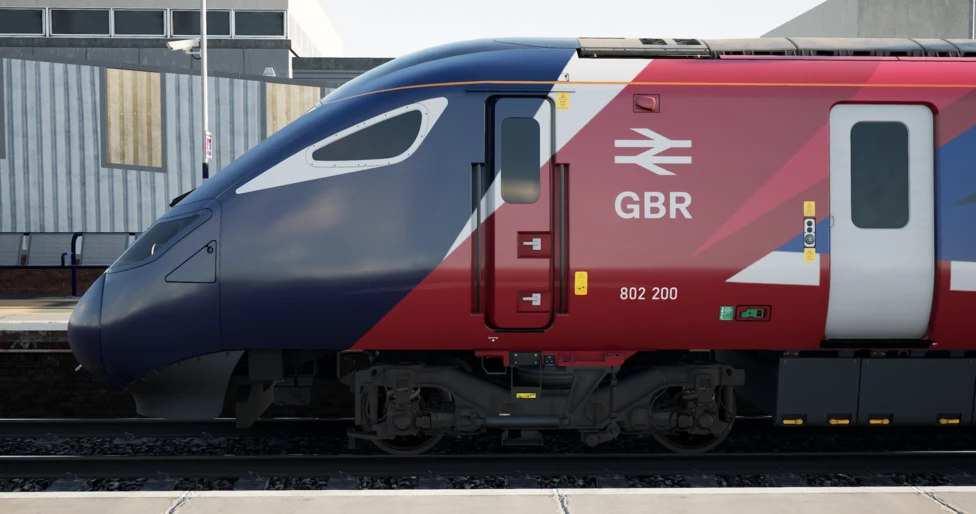
The announcement of Great British Railways is an admission that the experiment of total rail privatisation has reached the buffers. It is a pragmatic, if belated, middle ground: retaining private sector delivery but under the strict discipline of public planning.
For the commuter standing on a cold platform in the North or the Mid-morning traveller heading to the coast, the metrics of success won’t be found in white papers or branding exercises. They will be measured in two simple, stubborn statistics: is the ticket cheaper, and is the train actually there?